

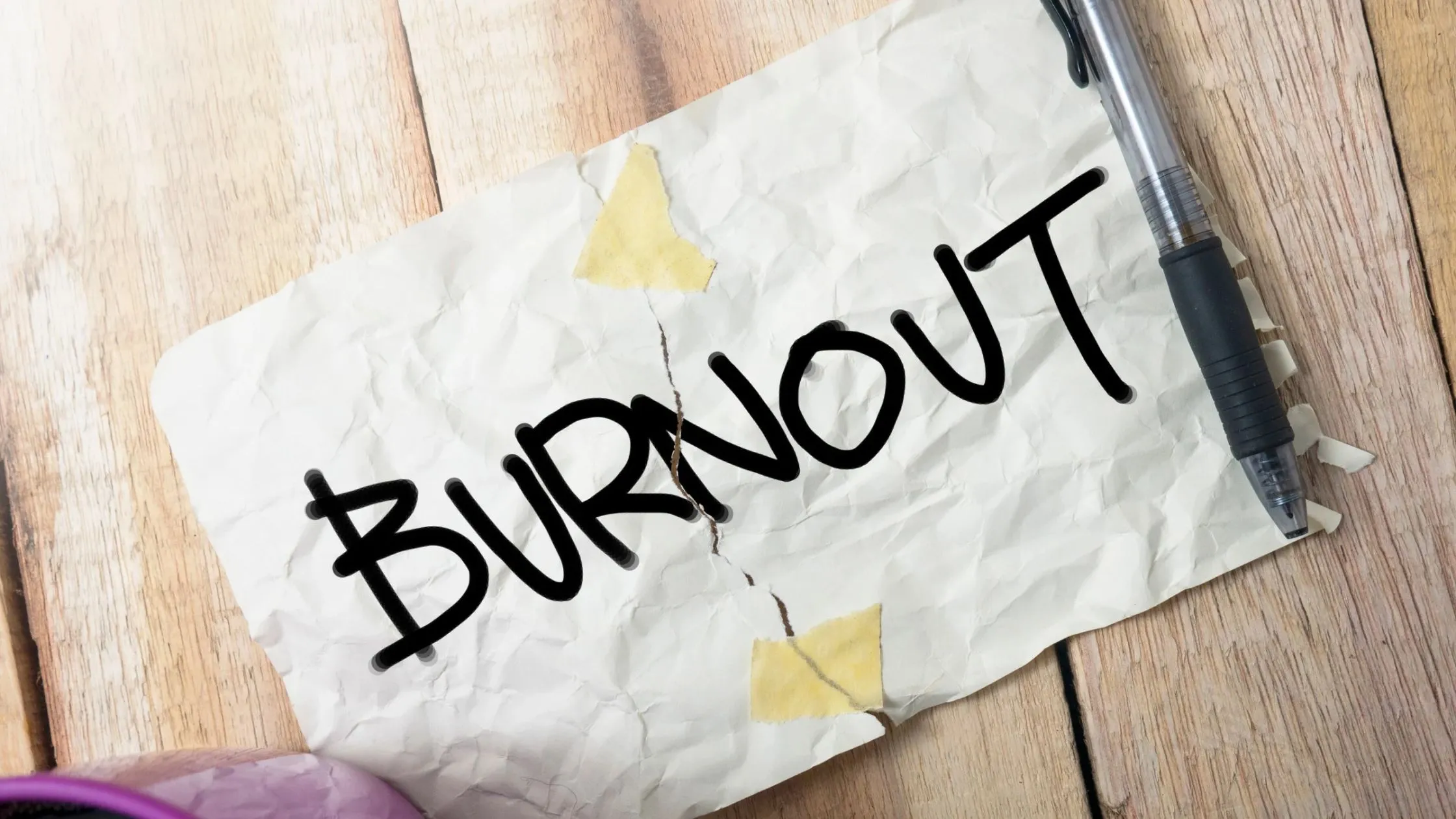
This guide covers the topic about Burnout and 8 Signs Your Mind May Be Asking for a Break
Sometimes, it is more than tiredness. Burnout can develop gradually, and it does not always look like someone lying in bed unable to work. A person experiencing burnout may continue going to work, meeting deadlines, replying to emails and taking care of their family while feeling increasingly disconnected and emotionally drained.
In Kenya, where long working hours, financial pressures, demanding jobs, commuting and responsibilities outside work can overlap, recognizing the early signs of burnout matters.
What is burnout?
Burnout is a state of physical and emotional exhaustion associated with prolonged or excessive stress, particularly when demands continue without adequate recovery.
It can affect how you think, feel and behave. Importantly, burnout is not simply having one stressful week. It is what can happen when your system remains under pressure for too long without enough opportunity to recover.
8 signs of burnout people often overlook
1. You are becoming emotionally numb
Burnout is not always crying or visibly falling apart. Sometimes it looks like feeling nothing. Things you once cared about no longer excite you. You may notice that you are emotionally detached from work, relationships or activities you previously enjoyed. You are not necessarily “lazy.” You may be emotionally depleted.
2.Small tasks suddenly feel enormous
Replying to one email should take two minutes. Making one phone call should be simple. Yet you keep postponing small tasks because your brain feels overloaded. When your mental capacity is already stretched, ordinary responsibilities can start feeling disproportionately difficult.
3. You are constantly irritated
You may find yourself becoming unusually impatient with colleagues, children, your partner or even strangers. Minor inconveniences suddenly feel unbearable. If you are repeatedly thinking, “Why is everyone annoying me?” it may be worth looking at how depleted you are rather than only blaming the people around you.
4. Your productivity changes
Burnout can create an uncomfortable cycle. You have too much to do, so you work longer. Because you are exhausted, concentration becomes harder. Because concentration is harder, tasks take longer. You work even longer to compensate. Eventually, you feel like you are working all day without accomplishing enough.
5. You dread Monday or every day
It is normal not to love every working day. But persistent dread is different. If you regularly wake up already thinking about how exhausting the day will be, or you spend your evenings worrying about tomorrow’s workload, your relationship with work may need attention.
6. You stop doing things that help you recover
This is one of the less obvious signs. You become so busy that you stop exercising, seeing friends, eating properly, resting, engaging in hobbies or spending meaningful time with people you care about. Then you become even more exhausted. Recovery gets pushed aside because there is “too much to do.”
7. You are physically present but mentally somewhere else
Someone may be talking to you while you are thinking about work. You may be with your family but mentally reviewing tomorrow’s tasks. You may sit down to rest but feel guilty for not being productive. Your body is resting, but your mind is still working.
8. You no longer recognize yourself
Perhaps this is the biggest warning sign. You may think: “I wasn’t always like this.” Maybe you used to be patient, Curious, Social., Motivated. Now you feel constantly tired, irritated, disconnected or overwhelmed. That change deserves attention.
Burnout is not a badge of commitment
In some workplaces, being constantly busy can be treated as evidence that someone is hardworking. Working late becomes normal, Skipping breaks becomes normal, Answering messages at midnight becomes normal, Taking leave can even create guilt. But being permanently available does not automatically make someone more productive. Rest is not the opposite of productivity. Recovery is part of being able to function sustainably.
What can you do if you recognize these signs?
Start by taking your symptoms seriously. Ask yourself:
What has been demanding most of my energy lately?
What am I doing that leaves me feeling constantly depleted?
When was the last time I had genuine time to recover?
What boundaries have I stopped maintaining?
Sometimes practical changes can help: clearer work boundaries, realistic workloads, proper breaks, delegation, leave, sleep and meaningful time away from work. But if stress has become overwhelming or is affecting your mood, relationships, sleep or ability to function, professional psychological support can also help.
Employers have a role too
Burnout should not always be treated as an individual employee’s failure to “manage stress better.” Workplaces also influence mental wellbeing. Unmanageable workloads, unclear expectations, poor communication, lack of autonomy, unsafe work environments and inadequate support can contribute to chronic workplace stress. This is why workplace mental wellness needs to involve more than motivational talks. Organizations can support employees through mental health awareness, psychological support, burnout prevention, stress management and psychologically safer working environments.
When should you seek professional help?
Consider speaking with a psychologist if you have been struggling for an extended period and the situation is affecting your work, relationships, emotional wellbeing or daily functioning. You do not have to wait until you completely break down. Early support can give you an opportunity to understand what is happening before the situation becomes more difficult to manage.
At Mindfect Therapy, we provide individual psychological support as well as workplace mental wellness services, including employee psychological support, burnout and stress workshops, mental health awareness training and workplace wellbeing programs. Your exhaustion is worth paying attention to. Sometimes the most productive thing you can do is acknowledge that something needs to change.