

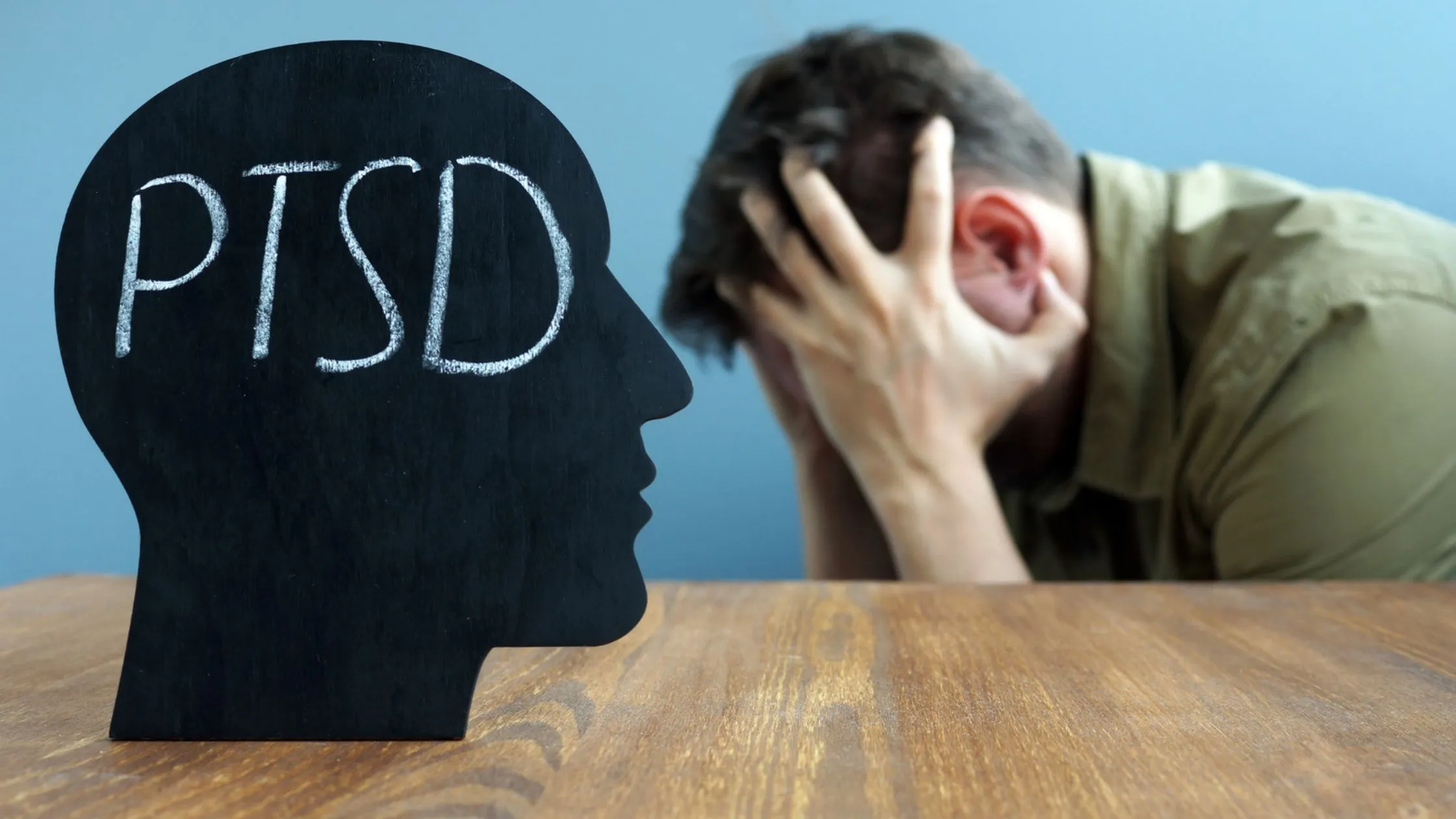
Sometimes trauma is obvious. It may follow a serious accident, violence, abuse, a frightening medical experience, the loss of someone you love, or another event that completely changes your sense of safety. But sometimes trauma is much harder to recognize. You may be functioning normally, Going to work, Raising your children, Maintaining relationships, Smiling and carrying on with life. Yet something inside you still feels affected by something that happened a long time ago.
You may become unusually anxious in certain situations, You may avoid places, people or conversations that remind you of the past, You may become angry more quickly than you used to, You may struggle to trust people, You may find yourself reacting strongly to something that other people consider “small.” And you may wonder: “Why am I reacting like this?” Sometimes, the answer is connected to an experience your mind and body have not fully processed.
What is trauma?
Trauma is not simply the event itself. Two people can experience the same event and respond very differently. Trauma can involve the emotional and psychological impact of an experience that felt overwhelming, frightening, threatening or deeply distressing. It can result from a single event or develop through repeated experiences over time. For one person, trauma may come from a serious accident. For another, it may be childhood abuse, bullying, domestic violence, a difficult birth, grief, neglect, repeated humiliation or another experience that affected their sense of safety and self-worth. This is why trauma cannot always be identified by looking at what happened from the outside. What matters is also how the experience affected the person.
Not every traumatic experience looks dramatic
There is a common belief that something has to be “bad enough” to count as trauma. People sometimes compare their experiences with someone else’s and conclude: “Other people have been through worse.” So they keep quiet. But pain does not need to win a competition before it deserves attention. A person can be deeply affected by an experience even if other people do not understand why. Repeated experiences can also have an impact, Growing up in an environment where you were constantly criticized, Being bullied for years, Living with fear at home, Experiencing repeated rejection, Being exposed to violence, Going through a difficult relationship, Being constantly made to feel that you were not good enough. These experiences can influence how you see yourself, other people and the world around you.
Sometimes trauma shows up years later
You may think you have moved on because you no longer talk about what happened. But avoiding something is not always the same as processing it. Perhaps you experienced something difficult as a child and only began noticing its impact as an adult, Perhaps a new relationship brought up fears you did not know you had, Perhaps becoming a parent made you remember experiences from your own childhood, Perhaps a new event reminded you of something you thought you had forgotten. This does not mean you are going backwards. Sometimes a new stage of life creates circumstances in which old experiences become more noticeable.
Your reactions may make more sense when you understand your triggers
A trigger is something that reminds you, consciously or unconsciously, of a difficult experience. It might be a sound, A smell, A place, A particular date, A person’s tone of voice, A relationship dynamic, A type of conflict. Even a seemingly ordinary situation can activate a strong emotional response when it resembles something your mind associates with danger or pain. You might suddenly feel afraid, angry, tense or overwhelmed, You may want to leave the situation immediately, You may shut down completely, You may not even understand why the reaction feels so intense. This is one reason learning about your triggers can be an important part of trauma recovery.
Trauma can affect relationships
One of the less discussed effects of trauma is the way it can influence relationships. If you have been hurt or betrayed, trusting someone new may feel dangerous. You may constantly look for signs that someone is going to leave, You may struggle with vulnerability, You may push people away when you actually want closeness, You may become highly sensitive to rejection Or you may become so independent that asking anyone for help feels uncomfortable. These patterns are not necessarily signs that something is wrong with your personality. Sometimes they developed as ways of protecting yourself. At one point, those protective responses may have been necessary. But what helped you survive a difficult situation may not always be helpful in your current life.
Trauma can change the way you see yourself
Trauma does not only affect how you see the world. It can affect how you see yourself. You may think: “There must be something wrong with me, “I should have handled it better, “It was my fault, “I should be over it by now, “I can’t trust anyone, “I am not strong enough.”
These beliefs can become deeply rooted, particularly when difficult experiences happened repeatedly or during childhood. Part of healing can involve examining these beliefs and understanding where they came from. You are not defined by what happened to you.
You can be strong and still be affected
There is nothing weak about being affected by something painful. Sometimes people take pride in being able to survive difficult experiences without talking about them. And survival deserves recognition. But surviving is not necessarily the same as healing. You can be strong and still need support, You can have built a successful career and still carry unresolved pain, You can have a loving family and still struggle with something that happened years ago, You can have moved forward with your life while still carrying parts of the past that hurt. There is no contradiction in that.
What does trauma therapy involve?
Trauma therapy is not about forcing yourself to repeatedly relive everything that happened. A psychologist may first help you understand your current emotional responses, identify patterns and develop ways to feel safer and more grounded. Depending on your individual needs, therapy may involve exploring difficult memories, beliefs, triggers, relationships, emotional responses and coping strategies. The process should be collaborative. You should not feel pressured to disclose everything before you are ready. A good therapeutic relationship provides space for you to move at a pace that feels manageable while working toward meaningful change.
When should you consider seeking professional support?
You may benefit from speaking with a psychologist if experiences from the past continue to affect your present life. This may include persistent anxiety, distressing memories, avoidance, difficulty trusting people, emotional numbness, anger, sleep difficulties, relationship problems or feeling constantly on edge. You do not need to know whether you have “trauma” before reaching out, You can simply explain what you are experiencing. A psychologist can help you explore what may be contributing to your difficulties and whether trauma-focused support may be appropriate.
Healing does not mean forgetting
A common misconception is that healing means forgetting what happened. It doesn’t. You cannot always change the past. Healing can instead mean reaching a point where the past no longer controls your present in the same way. The memory may still exist. But perhaps it no longer determines every relationship, Perhaps a trigger no longer completely overwhelms you, Perhaps you stop blaming yourself, Perhaps you begin feeling safe in situations that once felt threatening, Perhaps you finally understand that what happened to you was not the entirety of who you are. That is meaningful progress.
You don’t have to carry the past alone
Sometimes we become so used to carrying something that we forget we are allowed to put some of the weight down. If a difficult experience continues to affect your emotions, relationships, confidence or everyday life, talking to a psychologist can be a meaningful place to begin.
At Mindfect Therapy, we provide confidential online psychological support for individuals experiencing trauma, anxiety, grief and loss, stress, burnout, life transitions and other emotional difficulties. You do not have to minimize what happened, You do not have to compare your pain with someone else’s And you do not have to wait until you are completely overwhelmed before asking for support.
What happened to you matters. So does what happens next.